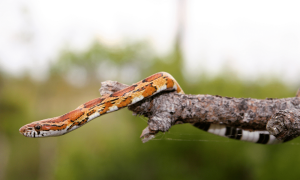
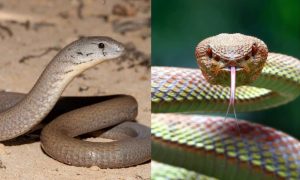
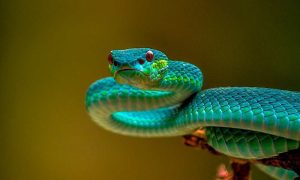
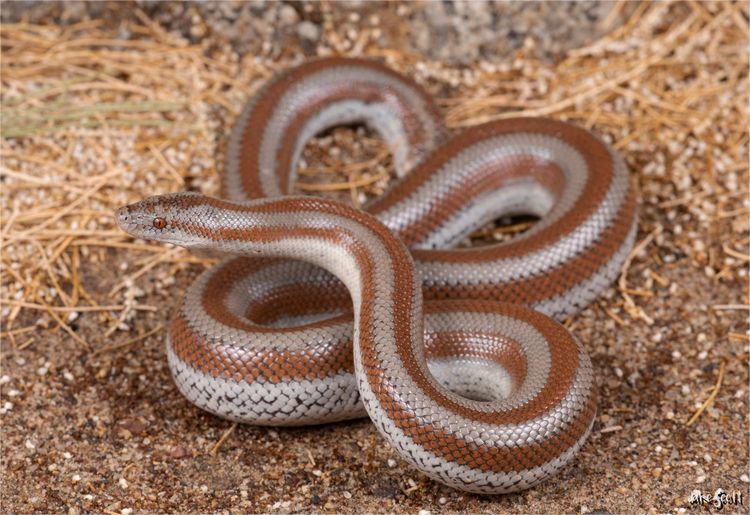
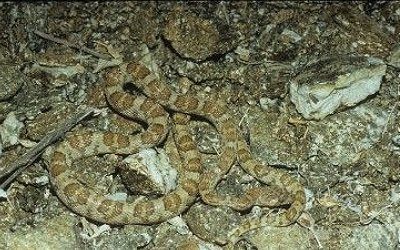
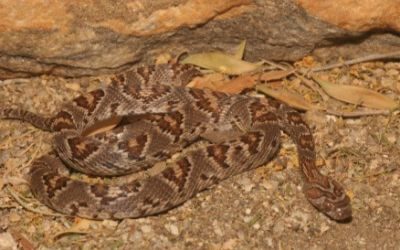
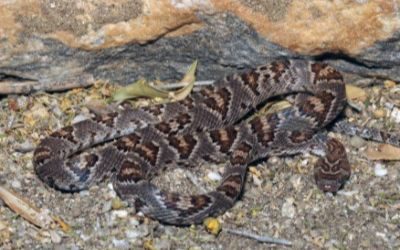
Slender, secretive, supple, and nocturnal. These snakes are not inclined to bite but should be handled carefully. Adult at 3 to 3 ½ feet. Ground color a gray to brown that blends well with the snake’s rocky homeland. The 34 or more light-edged dark dorsal blotches are divided medially. Rarely striped rather than blotched. A lyre-shaped marking is clearly visible on the top of the head. Anal plate may be divided but is often undivided (entire). Emerges to forage at night. Hatchlings like adults but more brightly patterned.
Unique Features:
Elliptical pupil. A lyre-shaped marking is clearly visible on the top of the head.
Habitat and Diet:
Rocky desert and desert mountain locations. Also grasslands, brushy areas, and open pineland. Primarily feeds on Lizards, snakes, small birds and small mammals.





![Get medical help as soon as you can (dial 911 or call local Emergency Medical Services [EMS]). Serious snake envenomation is treated with antivenin.](https://semhandyman.com/stag/wp-content/uploads/2023/12/WhattodoifYouAreBittenbyaVenomousSnake-300x180.png)