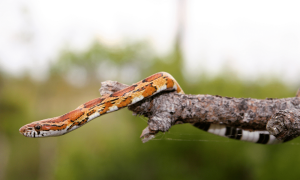
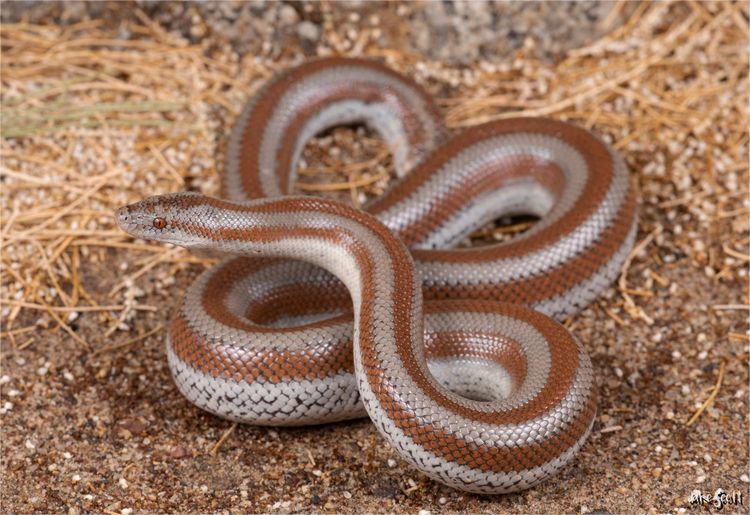
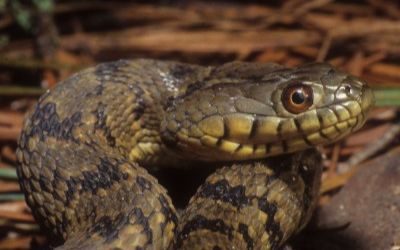
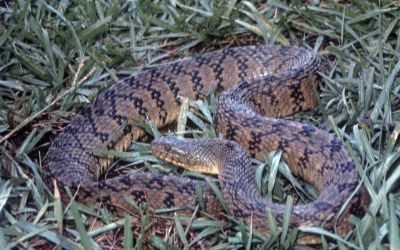
Adult at 2 ½ to 3 ½ feet, but occasionally attains 5 feet in length. Persistently aquatic. Primary color various shades of brown, from greenish-brown to the more typical dark and light brown. Heavy darker brown chain pattern of dorsal blotches and lateral bars. Dorsal and lateral markings are in contact. Belly cream or yellow with dark markings along the edges of the ventral scutes with occasional small dark spots elsewhere on the scutes. Ovoviviparous. Young, similar to adults but belly may be orangish. Scales strongly keeled. Anal plate divided.
Unique Features:
Aptly named, this snake has diamond shaped markings on its back.
Habitat and Diet:
A snake of all manner of quiet waters (including rice and crayfish raising ponds) in the Mississippi River and other drainages. Frogs and fish are the principal food items.
Geographic Range:
AL, TN, KY, AR, IL, IN, LA, MS, ID, KS, MO, IA, OK






![Get medical help as soon as you can (dial 911 or call local Emergency Medical Services [EMS]). Serious snake envenomation is treated with antivenin.](https://semhandyman.com/stag/wp-content/uploads/2023/12/WhattodoifYouAreBittenbyaVenomousSnake-300x180.png)