Alternate Name(s):
Venom Status:
Non Venomous
Characteristics:
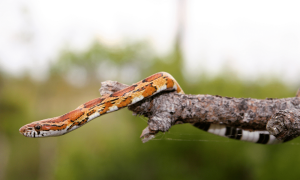
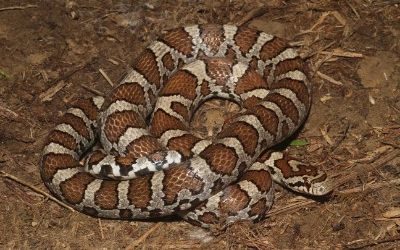
This 24 to 30 inch (rarely to 4 feet) long snake is immune to the venom of pit vipers. It is the northeasternmost of the milk snakes. The deep red/maroon dorsal blotches are rather small and alternate with lateral blotches. Red blotches are narrowly edged with black. Belly black and white. Nose gray. Oviparous. Hatchlings similarly patterned but much brighter than the adults. Anal plate single.
Unique Features:
The alternating red/maroon dorsal and lateral blotches as well as range are diagnostic.
Habitat and Diet:
A wide variety of habitats, from woodlands and edge situations to farmyards are utilized. Preys on nestlings of ground nesting mammals and birds, amphibians, and small snakes, and where they are available, lizards.
Geographic Range:
CT, GA, IA, IN, IL, KY, MA, ME, MI, MN, MD, NC, NJ, NH, NY, OH, PA, RI, TN, VA, VT, WI, WV, Canada , OH, PA






![Get medical help as soon as you can (dial 911 or call local Emergency Medical Services [EMS]). Serious snake envenomation is treated with antivenin.](https://semhandyman.com/stag/wp-content/uploads/2023/12/WhattodoifYouAreBittenbyaVenomousSnake-300x180.png)