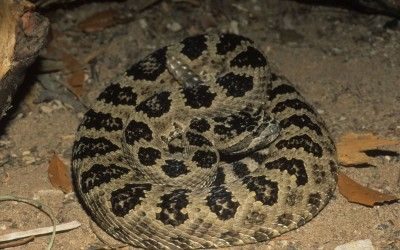
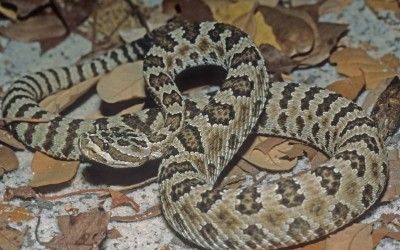
This strongly patterned often feisty rattler is adult at from 30 to 42” in length. The ground color varies from pale gray through various shades of brown to yellowish. Anterior dorsal blotches vary from brown to black. They may have lighter centers and may be narrowly bordered with light pigment. Posteriorly the blotches become crossbands. There are also lateral spots. The top of the head is often heavily patterned by dark pigment. Note the vertical pupils and infrared sensing pit between, but lower than, the nostril and eye. Scales keeled. Ovoviviparous.
Unique Features:
The change from anterior bands to posterior saddles dorsally and the strongly patterned head are good field marks
Habitat and Diet:
This snake is at home amidst the rocks and boulders on hill and mountain sides as well as on flat desert and scrubland. Preys on rodents and ground nesting birds as well as lizards.






![Get medical help as soon as you can (dial 911 or call local Emergency Medical Services [EMS]). Serious snake envenomation is treated with antivenin.](https://semhandyman.com/stag/wp-content/uploads/2023/12/WhattodoifYouAreBittenbyaVenomousSnake-300x180.png)