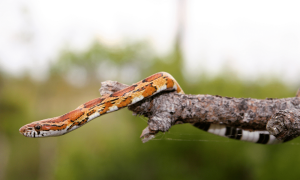
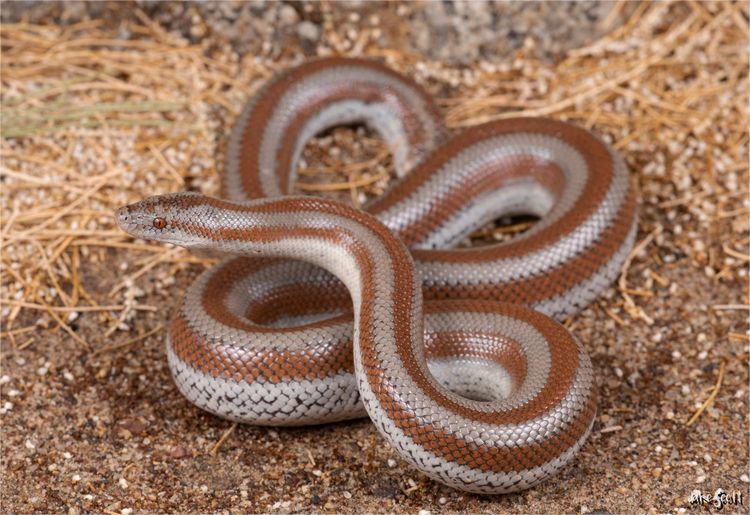
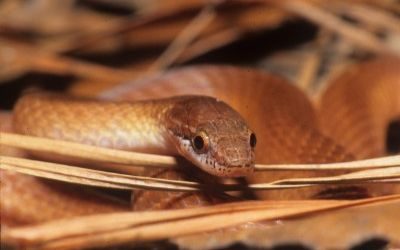
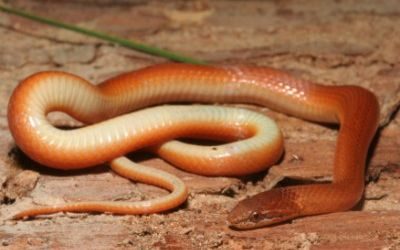
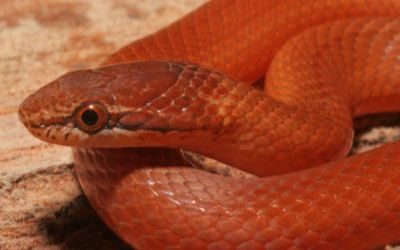
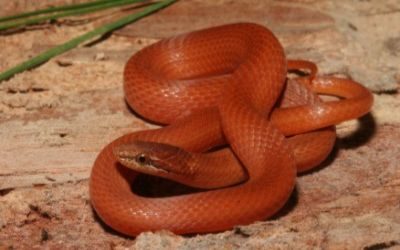
Rear-fanged. Harmless to humans but the snake’s saliva benumbs bitten frogs and lizards, the snake’s prey. Adult at 12 to 15 inches. Slender, terrestrial and very secretive, hiding beneath all manner of litter and debris. Brown to bright reddish brown above with sides being lighter than back. Lips yellow, often with dark speckles. Top of head darker than body color. Dark stripe runs from nose, through eye, to rear of head. Scales are smooth. Belly cream, yellowish, to greenish–yellow. Oviparous. Hatchlings are often bright brick red.
Unique Features:
Top of head darker than body color. Dark stripe runs from nose, through eye, to rear of head. Belly cream, yellowish, to greenish–yellow.
Habitat and Diet:
Very secretive. Often found beneath the trunk of fallen pines or behind the bark loosened as the trunks decompose. They also utilize other surface debris. It feeds almost entirely on freshly shed (soft-shelled) crayfish.




![Get medical help as soon as you can (dial 911 or call local Emergency Medical Services [EMS]). Serious snake envenomation is treated with antivenin.](https://semhandyman.com/stag/wp-content/uploads/2023/12/WhattodoifYouAreBittenbyaVenomousSnake-300x180.png)