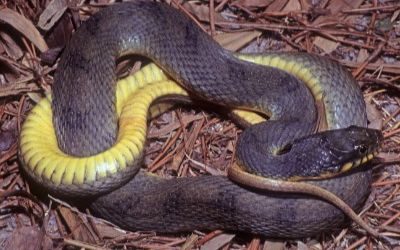
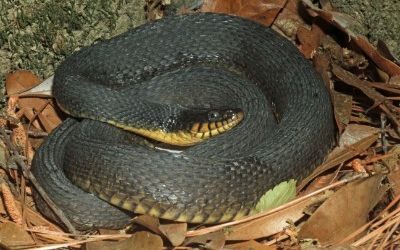
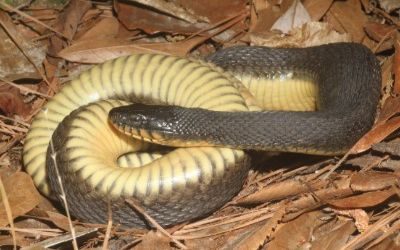
Mostly aquatic. Adults: Often plain bluish-gray above and yellow below. Some adults have black edged light partial bars dorsally. Neonates blotched dorsally and spotted laterally. Scales keeled, anal plate divided. Upper and lower labial between-scale-sutures are dark. Scales keeled, anal plate divided. Ovoviviparous. Juveniles: Strongly patterned with dark dorsal blotches and lateral spots. Belly whitish with a dusky spot on th
Unique Features:
Blue-gray or slate gray dorsum and yellow belly are distinctive.
Habitat and Diet:
Floodplains, swamps, marshes, ponds, and other quiet waters. These snakes may occasionally travel far overland in search of a new home or a mate.Tadpoles, frogs and fish are the principal food items.





![Get medical help as soon as you can (dial 911 or call local Emergency Medical Services [EMS]). Serious snake envenomation is treated with antivenin.](https://semhandyman.com/stag/wp-content/uploads/2023/12/WhattodoifYouAreBittenbyaVenomousSnake-300x180.png)