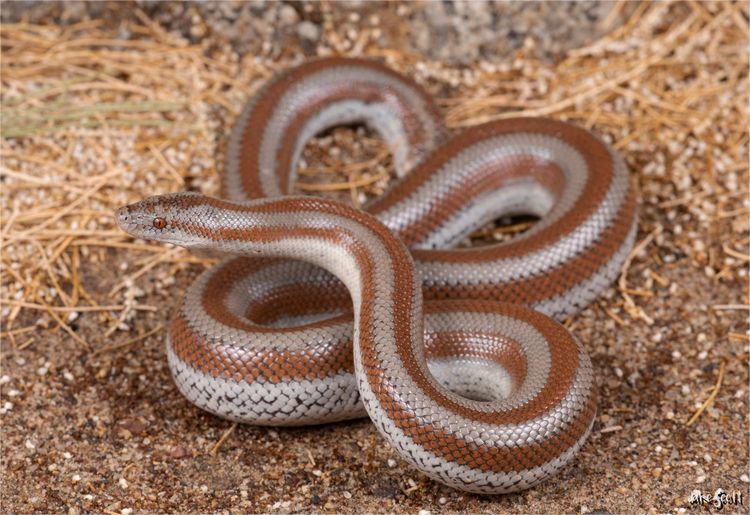
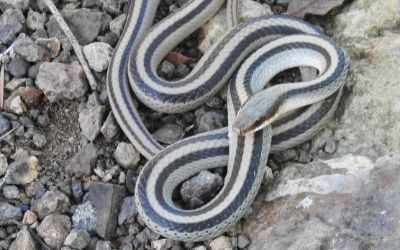
This sand-colored snake attains a length of about 3’. It, like the other members of this genus, has an enlarged wraparound rostral (nosetip) scale. Dorsal and lateral color gray to grayish-brown. Broad middorsal stripe is buff to tannish-orange and bordered by a wide dark stripe on both sides. There is usually no dark lateral stripe. Belly is pale pink. This pretty, very shy, snake inhabits desert mountains and other such high elevation habitats. Scales smooth and in 17 rows. Prey is primarily lizards. Oviparous. Hatchling are similar to adults in appearance.
Unique Features:
Enlarged rostral (nose tip) scale. Dorsal and lateral color gray to grayish-brown. Broad middorsal stripe is buff to tannish-orange and bordered by a wide dark stripe on both sides. There is usually no dark lateral stripe.
Habitat and Diet:
Desert mountains and montane woodlands. Also canyons, and rockstrewn regions. Prey is primarily lizards.






![Get medical help as soon as you can (dial 911 or call local Emergency Medical Services [EMS]). Serious snake envenomation is treated with antivenin.](https://semhandyman.com/stag/wp-content/uploads/2023/12/WhattodoifYouAreBittenbyaVenomousSnake-300x180.png)