Alternate Name(s):
Venom Status:
Non Venomous
Characteristics:
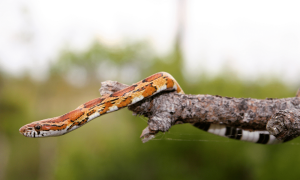
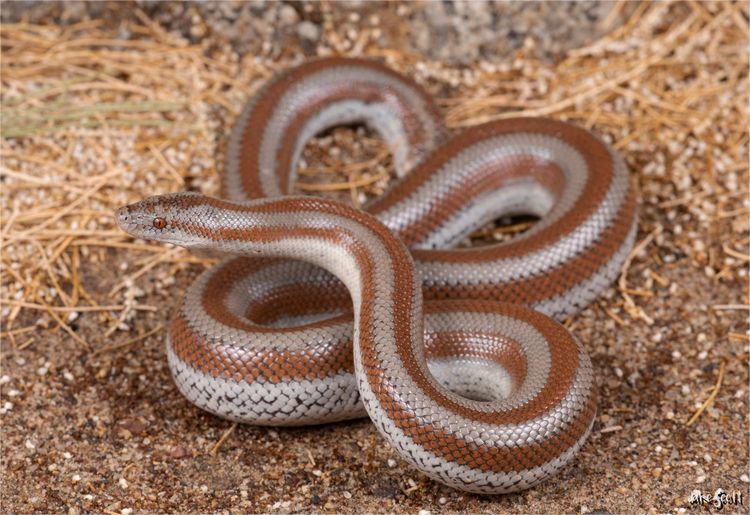
Adult at 2 to 3 feet, but occasionally attains 4 feet in length. Full bands anteriorly become saddles posterior to the neck where they then alternate with lateral blotches. Light areas between the bands are usually very narrow—2 scales wide or less. Ground color varies from brown to gray and the band/blotch color from black to tan or red. The belly may be dark with a light center stripe, or light with small spots along the edges of the ventral scutes or light with a very busy pattern of black to red spots and crescents. Upper and lower labial between-scale-sutures are dark. Scales keeled, anal plate divided. Ovoviviparous. Juveniles are more strongly marked than the adults. Intergrades widely with the midland water snake where it ranges about.
Unique Features:
Pattern of neck bands becoming blotches, narrow light areas, and labial “whiskers” will help with identification.
Habitat and Diet:
Aquatic, but often seen basking on emergent vegetation, the shoreline, or floating debris, on sunny days. Frogs and fish are the principal food items.
Geographic Range:
NC, TN, KY, VA, WV, RI, NY, NH, VT, AR, CT, IL, IN, ME, MD, MA, MN, CO, MI, ID, KS, MO, NE, NJ, IA, OH, WI, PA, SD





![Get medical help as soon as you can (dial 911 or call local Emergency Medical Services [EMS]). Serious snake envenomation is treated with antivenin.](https://semhandyman.com/stag/wp-content/uploads/2023/12/WhattodoifYouAreBittenbyaVenomousSnake-300x180.png)