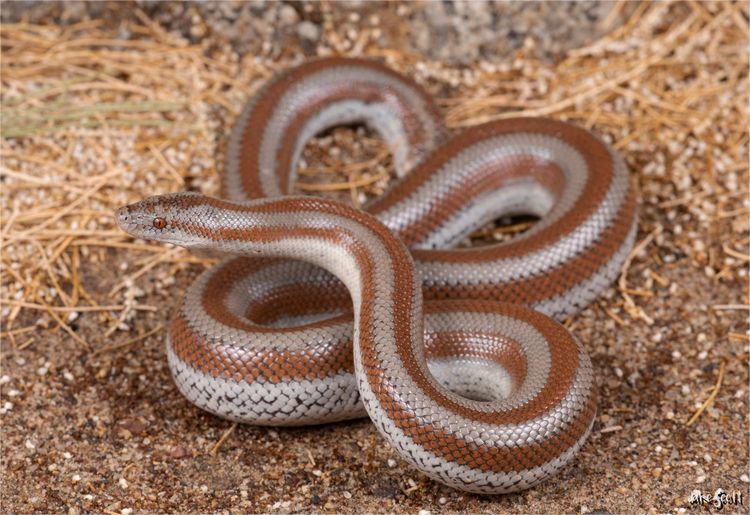
Intraspecific head-nape color variability often results in frustration when attempting to identify snakes in this genus. This species is adult at 7 to 8. This small and slender burrowing snake may occasionally be found beneath surface debris under rocks or beneath fallen logs. Normally the head is gray but occasional examples have a black head. Head color continues to the anterior nape and has a concave rear margin. Dorsal color grayish to cinnamon. Ventral color pink. Scales are smooth. All species in this genus are considered rear-fanged snakes that produce enough of a weak venom to help them overpower their insect and arthropod prey. All are oviparous.
Unique Features:
Gray head an anterior nape with a concave rear margin.
Habitat and Diet:
Secretive: Hides beneath logs rocks, and other debris in sandy areas. Primarily feeds on insects and arthropods.





![Get medical help as soon as you can (dial 911 or call local Emergency Medical Services [EMS]). Serious snake envenomation is treated with antivenin.](https://semhandyman.com/stag/wp-content/uploads/2023/12/WhattodoifYouAreBittenbyaVenomousSnake-300x180.png)